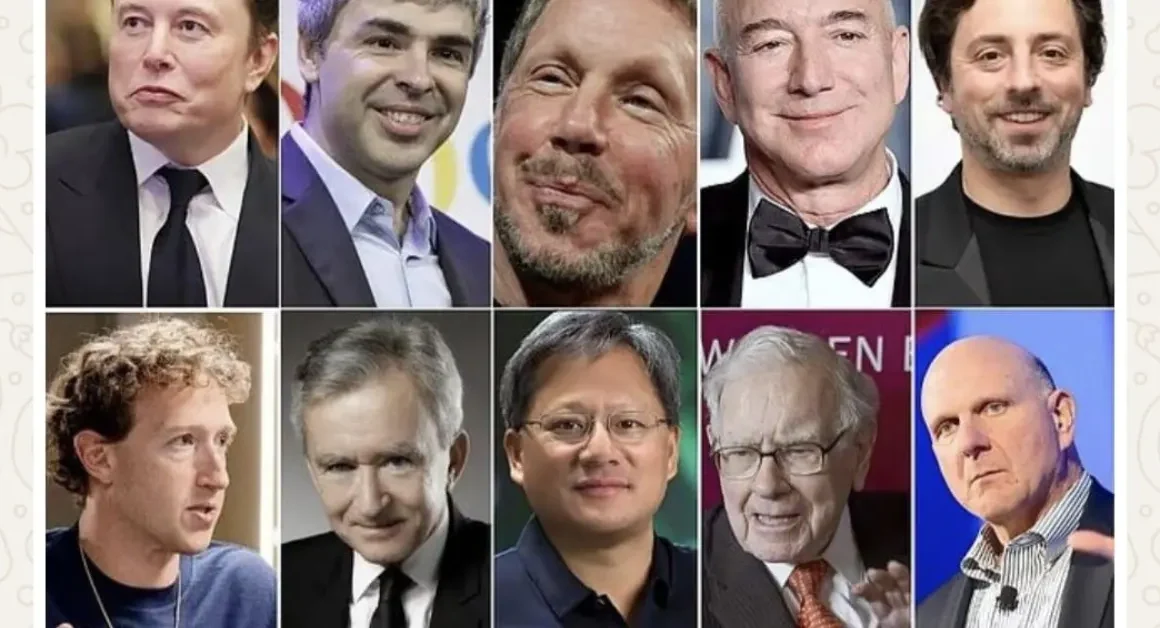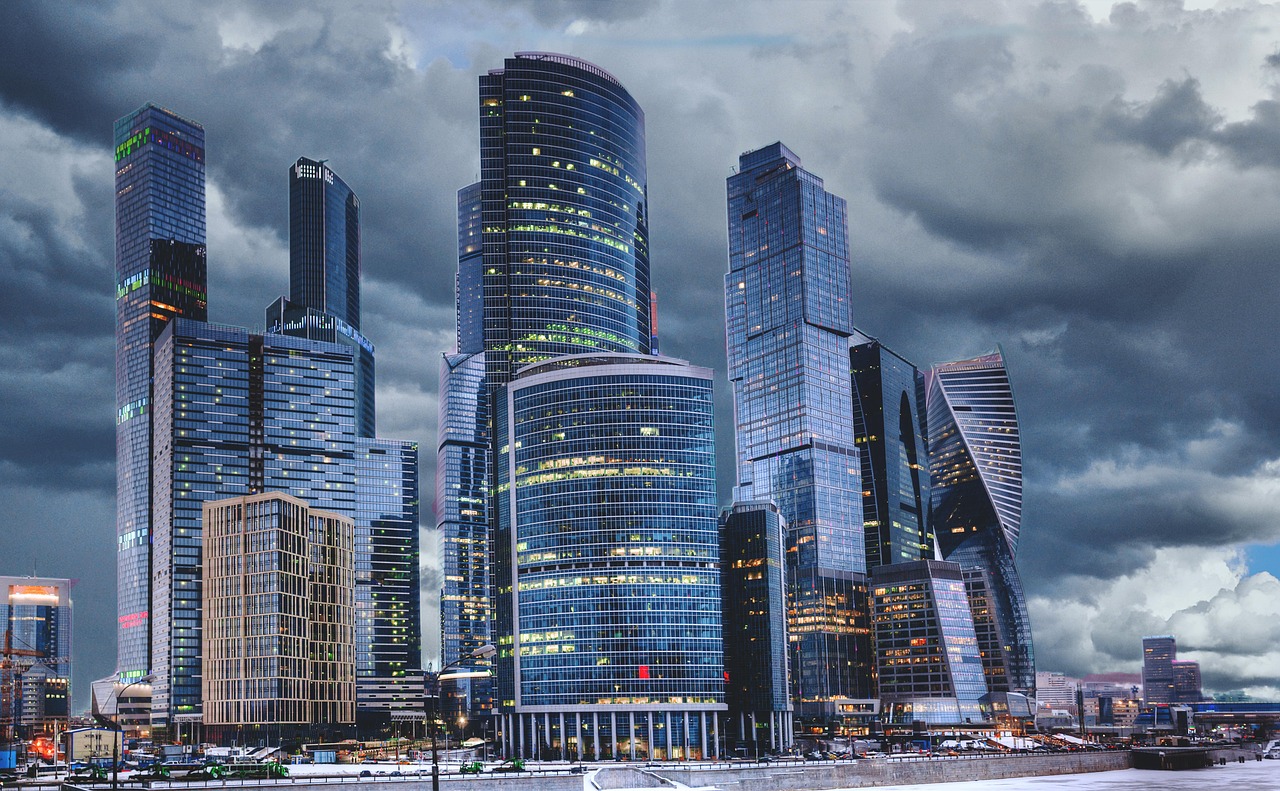
Economic growth is more than just a buzzword; it’s the engine that propels societies forward, improving living standards, fostering innovation, and creating opportunities for millions. From the rise of ancient civilizations fueled by agricultural advancements to today’s digital revolution, the relentless pursuit of increased productivity and prosperity has shaped our world. Understanding the intricacies of economic growth is crucial for policymakers, businesses, and individuals alike, as it directly impacts our collective well-being and future potential. This comprehensive guide will delve into what economic growth truly means, its vital drivers, how we measure it, and the strategies needed to ensure it’s not only robust but also sustainable for generations to come.
Understanding Economic Growth: The Foundation of Prosperity
At its core, economic growth refers to the increase in the production of goods and services in an economy over a period of time. This expansion is typically measured by the percentage rate of increase in real Gross Domestic Product (GDP), which accounts for inflation. When an economy grows, it generally means there’s more wealth being created, leading to a higher standard of living for its citizens.
What is Economic Growth?
-
Definition: Economic growth signifies an expansion in the capacity of an economy to produce goods and services, often translating into increased national income and employment.
-
Impact on Living Standards: Sustained economic growth often leads to higher average incomes, better access to education and healthcare, improved infrastructure, and a wider variety of goods and services available to consumers. For example, a country experiencing a 3% annual real GDP growth rate can see its economy double in approximately 23 years, significantly transforming its citizens’ quality of life.
Measuring Economic Growth: GDP and Beyond
While GDP is the primary metric, it’s essential to understand its nuances and limitations.
-
Gross Domestic Product (GDP): This is the total monetary value of all finished goods and services produced within a country’s borders in a specific time period (usually a quarter or a year). We often focus on real GDP, which is adjusted for inflation, to get a true picture of growth.
-
GDP Per Capita: This metric divides GDP by the total population, providing a better indicator of the average living standards and income level of individuals within a country. A high GDP per capita generally correlates with higher development and prosperity.
-
Limitations of GDP: GDP doesn’t account for income inequality, environmental degradation, the value of unpaid work (e.g., volunteering), or the depletion of natural resources. For instance, a country might experience high GDP growth due to deforestation, but this isn’t sustainable or reflective of true well-being.
Actionable Takeaway: To truly gauge economic health, look beyond headline GDP numbers. Consider GDP per capita and understand that while crucial, GDP is one piece of a larger economic puzzle.
Key Drivers of Economic Growth: The Pillars of Progress
Sustained economic growth doesn’t happen by accident; it’s the result of several interconnected factors working in synergy. These drivers create an environment where productivity can flourish and innovation can thrive.
Technological Advancements and Innovation
Innovation is arguably the most potent driver of long-term economic growth. New technologies increase productivity, create new industries, and improve existing ones.
-
Increased Productivity: Automation, AI, and advanced machinery allow for more output with the same or fewer inputs. For example, the invention of the assembly line revolutionized manufacturing, dramatically increasing production efficiency.
-
New Products and Services: Innovations like the internet, smartphones, and biotechnology create entirely new markets and consumer demands, leading to economic expansion and job creation.
Practical Example: The development of the semiconductor chip fueled the entire digital economy, leading to an explosion of growth in IT, telecommunications, and countless other sectors globally.
Human Capital Development
A skilled, educated, and healthy workforce is indispensable for economic progress.
-
Education and Training: Investment in education (from primary to tertiary) and vocational training equips individuals with the skills needed for a modern economy, enhancing their productivity and innovative capacity. Countries with higher literacy rates and more graduates in STEM fields often exhibit stronger economic performance.
-
Health and Nutrition: A healthy population is a productive population. Access to quality healthcare, proper nutrition, and sanitation reduces illness, increases life expectancy, and allows people to contribute more effectively to the economy.
Practical Example: Finland’s consistent investment in its education system, prioritizing highly trained teachers and accessible learning, has contributed significantly to its innovative capacity and high standard of living.
Physical Capital and Infrastructure
Tangible assets that aid production and facilitate economic activity are crucial.
-
Infrastructure: Roads, bridges, ports, airports, communication networks, and energy grids are the backbone of an economy. Efficient infrastructure reduces transport costs, speeds up communication, and connects markets, making business operations smoother and more cost-effective. For instance, high-speed rail networks can reduce travel times, connecting cities and fostering regional economic integration.
-
Machinery and Equipment: Factories, tools, and office equipment directly contribute to a business’s production capacity. Investing in modern capital goods enhances efficiency and allows for higher output.
Natural Resources and Institutional Quality
-
Natural Resources: While not the sole determinant, access to natural resources like oil, gas, minerals, and fertile land can provide a foundational advantage for economic development, though responsible management is key for sustainability.
-
Sound Institutions: A stable political environment, strong rule of law, protection of property rights, transparent governance, and efficient financial markets create certainty for investors and businesses, encouraging investment and entrepreneurship. Countries with higher perceived corruption often struggle to attract foreign direct investment and sustain growth.
Actionable Takeaway: Governments and private sectors should prioritize strategic investments in education, R&D, and infrastructure to lay a solid foundation for future growth. Businesses should continuously invest in upskilling their workforce and adopting new technologies.
Challenges and Barriers to Sustained Economic Growth
While the aspiration for economic growth is universal, numerous obstacles can impede or even reverse progress. Addressing these challenges is paramount for achieving sustainable and inclusive development.
Inequality and Social Disparities
When the benefits of economic growth are not broadly shared, it can create significant social and economic instability.
-
Wealth Concentration: Growing disparities in income and wealth can lead to social unrest, reduced consumer demand (as a large segment of the population lacks purchasing power), and political instability. For example, rapidly growing economies that don’t address income inequality may find their growth unsustainable in the long run.
-
Lack of Opportunity: When access to quality education, healthcare, and economic opportunities is uneven, it prevents a significant portion of the population from contributing to their full potential, hindering overall growth.
Environmental Degradation and Climate Change
Unchecked economic activity can lead to severe environmental consequences, which in turn threaten future growth and human well-being.
-
Resource Depletion: Over-exploitation of natural resources (e.g., deforestation, overfishing) can lead to scarcity and higher costs for industries reliant on these resources.
-
Climate Impacts: Rising sea levels, extreme weather events, and resource scarcity caused by climate change can disrupt supply chains, damage infrastructure, displace populations, and impose immense economic costs. The economic cost of natural disasters globally has been steadily increasing, directly impacting growth.
Demographic Shifts and Global Events
Changes in population structure and unpredictable global events can significantly impact economic trajectories.
-
Aging Populations: Many developed nations face an aging workforce and declining birth rates, leading to potential labor shortages, increased pressure on social security and healthcare systems, and reduced innovation.
-
Geopolitical Instability: Trade wars, regional conflicts, and global pandemics (like COVID-19) can disrupt international trade, supply chains, investor confidence, and consumer spending, causing severe economic contractions.
-
Debt Burdens: High levels of public and private debt can constrain government spending, increase borrowing costs, and make economies vulnerable to financial crises.
Actionable Takeaway: Policymakers must proactively address inequality through progressive taxation and social safety nets, invest in green technologies, and prepare for demographic shifts to build more resilient and inclusive economies.
Strategies for Fostering Sustainable Economic Growth
Achieving robust and lasting economic growth requires a multifaceted approach that balances immediate gains with long-term societal and environmental well-being. This involves strategic policy decisions, innovative investments, and international cooperation.
Investment in Research & Development (R&D)
Fostering innovation is critical for continuous growth and competitiveness.
-
Government Grants and Tax Incentives: Governments can encourage private sector R&D by offering grants, tax credits, and establishing research partnerships between universities and industries. This was crucial for the development of the internet and many pharmaceutical breakthroughs.
-
Intellectual Property Protection: Strong patent and copyright laws incentivize inventors and creators by allowing them to profit from their innovations, driving further R&D.
Practical Example: South Korea’s significant government investment in R&D, combined with strong support for its large chaebols (conglomerates), has transformed it into a global leader in technology and innovation, driving impressive economic growth.
Education, Skills Training, and Lifelong Learning
A knowledgeable and adaptable workforce is essential in a rapidly changing global economy.
-
Curriculum Modernization: Aligning educational curricula with the demands of future industries, focusing on STEM (Science, Technology, Engineering, Mathematics) and critical thinking skills.
-
Vocational Training & Apprenticeships: Providing practical skills development for specific trades, ensuring a pipeline of qualified workers for various sectors.
-
Reskilling and Upskilling Programs: Governments and businesses should invest in programs that help existing workers adapt to new technologies and changing job markets, preventing skill gaps and unemployment.
Infrastructure Development and Digital Transformation
Modern infrastructure and digital connectivity are prerequisites for economic efficiency.
-
Smart Infrastructure: Investing in not just physical infrastructure (roads, railways, renewable energy grids) but also ‘smart’ infrastructure that leverages technology for efficiency and sustainability (e.g., smart cities, IoT networks).
-
Broadband Expansion: Ensuring widespread access to high-speed internet, which is now considered a basic utility, supporting e-commerce, remote work, and digital innovation, especially in rural areas.
Sound Macroeconomic Policies and Trade
Stable fiscal and monetary policies create a predictable environment for investment and growth.
-
Fiscal Policy: Responsible government spending, controlled national debt, and fair taxation policies can stimulate economic activity and provide essential public services without crowding out private investment.
-
Monetary Policy: Central banks maintaining price stability (low inflation) and managing interest rates appropriately encourages investment and stable economic cycles. The European Central Bank’s mandate focuses on price stability to foster a healthy economic environment.
-
Promoting Free Trade: Reducing trade barriers and fostering open markets allows countries to specialize in what they do best, increasing efficiency, competition, and consumer choice. Organizations like the World Trade Organization (WTO) work to facilitate global trade.
Environmental Sustainability and Green Economy Initiatives
Integrating environmental protection into economic policy is no longer optional but essential for long-term growth.
-
Green Technologies: Investing in renewable energy, sustainable agriculture, and eco-friendly manufacturing not only mitigates climate change but also creates new industries and jobs.
-
Circular Economy Principles: Shifting from a linear “take-make-dispose” model to a circular one that emphasizes reducing waste, reusing materials, and recycling, thereby minimizing resource dependency and environmental impact.
-
Carbon Pricing: Implementing policies like carbon taxes or cap-and-trade systems to put a price on carbon emissions, incentivizing businesses to reduce their environmental footprint.
Actionable Takeaway: Governments, businesses, and individuals all play a role. Governments need to set clear, stable policies, businesses must innovate sustainably, and individuals should advocate for and support green initiatives. Prioritize long-term, inclusive strategies over short-term gains.
Conclusion
Economic growth is a dynamic and multifaceted phenomenon, the sustained pursuit of which has lifted billions out of poverty and reshaped human civilization. While often measured by GDP, a holistic understanding requires looking beyond mere numbers to encompass factors like human capital, technological advancement, and environmental sustainability. The challenges to growth are significant, ranging from inequality and climate change to geopolitical instability. However, by embracing strategic investments in education, R&D, infrastructure, and green technologies, coupled with sound macroeconomic policies, nations can cultivate not just growth, but sustainable and inclusive economic development. The future of global prosperity hinges on our collective ability to navigate these complexities, ensuring that economic progress benefits all, without compromising the planet’s health for future generations.