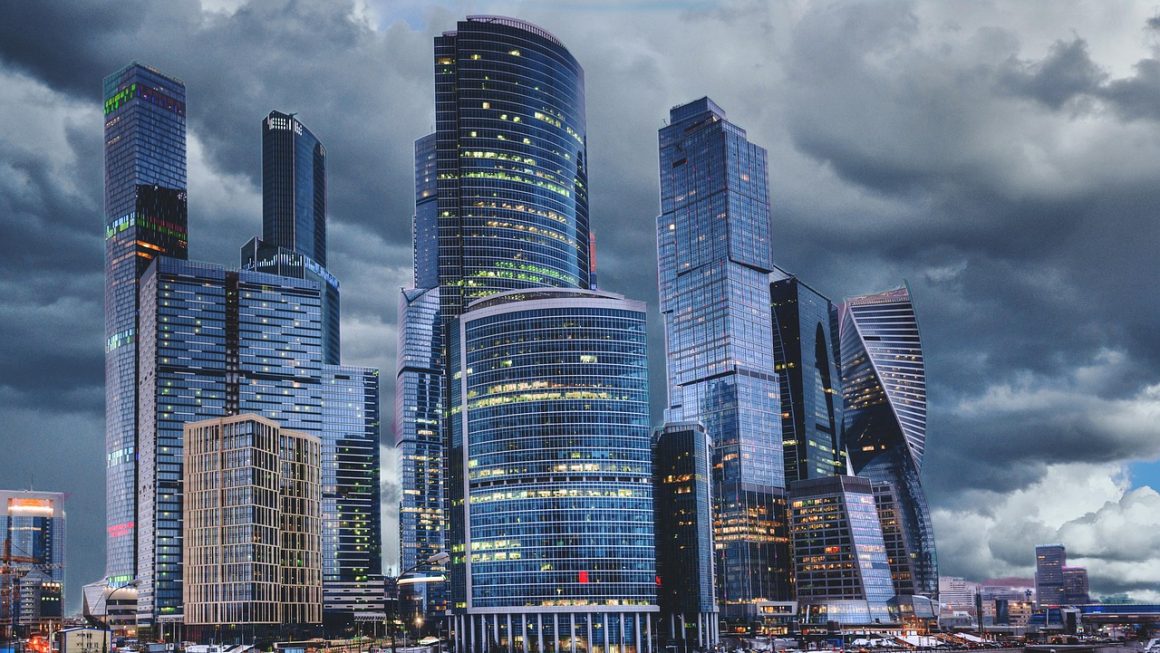
Economic growth is a foundational pillar of modern society, driving progress, improving living standards, and shaping the global landscape. It’s more than just abstract numbers; it represents the collective effort of nations to produce more, innovate better, and create opportunities for their citizens. From a bustling marketplace to groundbreaking scientific discoveries, the ripple effects of a growing economy are profound, influencing everything from job creation and income levels to healthcare and education. Understanding its mechanisms, benefits, and challenges is crucial for policymakers, businesses, and individuals alike as we navigate an increasingly interconnected world.
Understanding Economic Growth
At its core, economic growth refers to the increase in the production of goods and services in an economy over a specific period. It’s a key indicator of a nation’s economic health and its ability to provide for its population. While often discussed in terms of national output, its impact trickles down to individuals through better employment prospects, higher wages, and an improved quality of life.
What is Economic Growth?
Economic growth is typically quantified as the percentage increase in real Gross Domestic Product (GDP), which measures the total value of all goods and services produced within a country’s borders, adjusted for inflation. A positive growth rate signifies an expanding economy, while a negative rate (recession) indicates contraction.
- Definition: The sustained expansion of the economy’s capacity to produce goods and services.
- Goal: To improve the material well-being and living standards of a population.
- Key Concept: It represents an increase in the productive potential of an economy, allowing for more consumption and investment.
Why Economic Growth Matters
The pursuit of economic growth is a primary objective for most governments and societies due to its multifaceted benefits.
- Increased Standard of Living: As an economy grows, average incomes tend to rise, allowing people to afford better housing, food, healthcare, and education.
- Job Creation: Expanding businesses hire more workers, leading to lower unemployment rates and greater economic stability for families.
- Technological Advancement: Growth often fuels investment in research and development, fostering innovation and leading to new technologies and industries.
- Poverty Reduction: Sustainable growth can lift significant portions of the population out of poverty by providing opportunities and resources.
- Improved Public Services: A larger economy generates more tax revenue, which governments can then invest in public infrastructure, education systems, and healthcare services.
Actionable Takeaway: Recognize that economic growth isn’t just a number; it’s a critical engine for societal improvement, creating opportunities and resources that can enhance overall well-being.
Key Drivers of Economic Growth
Economic growth doesn’t happen by accident; it’s the result of several interconnected factors working in synergy. Understanding these drivers is essential for crafting effective policies and business strategies.
Human Capital
The skills, knowledge, and experience of a population are arguably the most critical long-term driver of economic growth. A well-educated and healthy workforce is more productive, innovative, and adaptable.
- Education and Training: Investing in quality education from primary school to advanced vocational training improves labor force capabilities. Example: Countries like South Korea and Singapore, with their strong emphasis on education, have transformed their economies.
- Health and Nutrition: A healthy workforce is more resilient, takes fewer sick days, and has higher energy levels, contributing to overall productivity.
- Entrepreneurship: Fostering an environment that encourages risk-taking and business creation taps into human ingenuity, leading to new industries and jobs.
Physical Capital and Infrastructure
Investment in physical capital – the tools, machines, factories, and infrastructure – directly boosts an economy’s productive capacity.
- Machinery and Equipment: Modern factories equipped with advanced robotics can produce goods more efficiently and in higher volumes.
- Infrastructure: Robust transportation networks (roads, railways, ports), reliable energy grids, and high-speed internet are essential for businesses to operate effectively and efficiently. Example: China’s massive infrastructure projects have significantly boosted its manufacturing and logistics capabilities.
- Technology Adoption: The ability of businesses to adopt and integrate new technologies enhances productivity and competitiveness.
Technological Advancement and Innovation
Innovation is the engine of long-term economic growth. It involves developing new products, processes, and services that make production more efficient or create entirely new markets.
- Research and Development (R&D): Government and private sector investment in R&D leads to breakthroughs that can revolutionize industries. Example: The development of the internet or new medical technologies has created vast new sectors and significantly improved lives globally.
- Process Improvements: Innovations in production methods, like assembly line techniques or just-in-time inventory systems, can dramatically reduce costs and increase output.
- Digital Transformation: The ongoing shift to digital tools and platforms across all sectors is driving efficiency and new business models.
Natural Resources
While not as dominant as other factors in developed economies, natural resources can provide a significant initial boost to economic growth, especially for resource-rich nations.
- Energy Resources: Oil, natural gas, and coal can generate substantial export revenues and power domestic industries.
- Agricultural Land: Fertile land supports food production and agricultural exports.
- Minerals and Metals: Deposits of valuable minerals can drive mining industries and associated economic activity. Caution: Over-reliance on natural resources without diversifying the economy can lead to vulnerability to commodity price fluctuations (the “resource curse”).
Institutional Framework and Governance
A stable, transparent, and fair institutional environment is crucial for fostering sustainable economic growth. Without it, other growth drivers can be undermined.
- Rule of Law: Strong legal systems protect property rights, enforce contracts, and ensure fair competition, which encourages investment.
- Political Stability: Predictable governance reduces uncertainty for businesses and investors, making long-term planning viable.
- Sound Economic Policies: Responsible fiscal and monetary policies maintain economic stability, control inflation, and support healthy market conditions.
- Openness to Trade: Engaging in international trade allows countries to specialize in what they do best, access larger markets, and benefit from foreign investment.
Actionable Takeaway: To foster robust economic growth, focus on a balanced approach that invests in human potential, modern infrastructure, cutting-edge technology, and strong governance, rather than relying on a single factor.
The Benefits and Challenges of Economic Growth
While widely sought after, economic growth is not without its complexities. It brings substantial benefits but also poses significant challenges that need careful management.
Core Benefits of Economic Growth
The positive impacts of a growing economy are extensive and touch nearly every aspect of society.
- Poverty Alleviation: Sustained growth is the most powerful tool for reducing poverty, as it creates jobs and increases income levels.
- Increased Consumer Choice: A more productive economy offers a wider variety of goods and services, often at lower prices, enhancing consumer welfare.
- Higher Tax Revenues: Governments collect more taxes from increased economic activity, allowing for greater investment in public services like education, healthcare, and infrastructure.
- Improved Healthcare and Education: Wealthier nations can afford to invest more in medical research, hospitals, and educational facilities, leading to better outcomes for their citizens.
- Enhanced Global Influence: Economically powerful nations often have greater diplomatic influence and capacity to address global challenges.
Example: The rapid economic growth experienced by China and India over recent decades has lifted hundreds of millions out of extreme poverty, dramatically improving their access to basic necessities and opportunities.
Challenges and Downsides of Economic Growth
Despite its advantages, unchecked or poorly managed economic growth can lead to significant problems.
- Environmental Degradation: Increased production and consumption can lead to higher pollution, depletion of natural resources, and climate change. Example: Industrialization in many developing nations has come at the cost of severe air and water pollution.
- Income Inequality: The benefits of growth may not be evenly distributed, leading to a widening gap between the rich and the poor, which can cause social unrest.
- Inflation: If demand grows too quickly without a corresponding increase in supply, prices can rise rapidly, eroding purchasing power.
- Resource Depletion: Rapid growth can exhaust finite natural resources, creating long-term sustainability issues.
- Social Displacement: Economic restructuring driven by growth can lead to job losses in traditional industries and social upheaval for communities that struggle to adapt.
- Boom-Bust Cycles: Economies can experience periods of rapid growth (booms) followed by sharp downturns (busts or recessions), causing instability.
Actionable Takeaway: Policymakers and businesses must strive for sustainable economic growth, which balances economic prosperity with environmental protection and social equity. This requires thoughtful planning and robust regulatory frameworks.
Measuring Economic Growth
Accurately measuring economic growth is critical for assessing performance, informing policy decisions, and comparing economic health across different regions and time periods.
Gross Domestic Product (GDP)
GDP is the most widely used metric for measuring a country’s economic output and, by extension, its growth. It represents the total monetary value of all finished goods and services produced within a country’s borders in a specific time period.
- Nominal GDP: Measures output using current prices. It can increase due to actual production growth or simply due to inflation.
- Real GDP: Measures output adjusted for inflation. This provides a more accurate picture of actual economic growth by showing the increase in the volume of goods and services produced. Real GDP is the preferred measure for economic growth analysis.
- GDP per Capita: Divides total GDP by the population size, offering an average measure of economic output per person. This is often used as a proxy for the standard of living.
Calculation Method: GDP can be calculated using the expenditure approach (C + I + G + Nx), the income approach (wages + rents + interest + profits), or the production approach (value added at each stage of production).
Other Economic Indicators
While GDP is paramount, other indicators provide a more nuanced understanding of economic health and growth drivers.
- Employment Rates: Low unemployment rates signal a healthy job market, indicating that the economy is utilizing its human capital effectively.
- Industrial Production Index: Measures the output of the manufacturing, mining, and utilities sectors, providing insight into the productive capacity of the industrial base.
- Consumer Price Index (CPI) and Inflation: Tracks changes in the prices of consumer goods and services, providing insights into purchasing power and price stability.
- Retail Sales: Indicates consumer spending patterns, which are a major component of aggregate demand.
- Business Confidence Surveys: Provide qualitative data on how businesses perceive current and future economic conditions, influencing investment decisions.
- Foreign Direct Investment (FDI): Measures the investment made by foreign companies in domestic businesses or assets, indicating confidence in the country’s economic prospects.
Interpreting Growth Rates
Understanding what different growth rates signify is crucial.
- High Growth (e.g., 5%+ annually): Often seen in developing economies or during recovery phases, indicating rapid expansion. Can risk inflation if not managed.
- Moderate Growth (e.g., 2-4% annually): Typical for mature, developed economies, representing steady progress without excessive inflation risks.
- Low Growth (e.g., 0-1% annually): Stagnation, often leading to higher unemployment and lower confidence.
- Negative Growth (Recession): Two consecutive quarters of negative real GDP growth. Signifies economic contraction.
Actionable Takeaway: Don’t rely solely on headline GDP figures. Dig deeper into real GDP per capita, employment data, and sectoral performance to get a comprehensive view of economic health and the inclusivity of growth.
Strategies for Fostering Sustainable Economic Growth
Achieving and sustaining economic growth requires a concerted effort from governments, businesses, and individuals, guided by strategic policies and forward-thinking initiatives.
Government Policies and Intervention
Governments play a pivotal role in creating an environment conducive to growth through various policy levers.
- Fiscal Policy:
- Taxation: Lower corporate taxes can incentivize business investment, while progressive income taxes can address inequality.
- Government Spending: Investment in infrastructure (roads, broadband), education, and healthcare directly boosts productive capacity and human capital. Example: The U.S. government’s bipartisan infrastructure bill aims to modernize national infrastructure, creating jobs and long-term economic benefits.
- Monetary Policy:
- Interest Rates: Central banks (e.g., the Federal Reserve) use interest rate adjustments to control inflation and stimulate or slow down economic activity. Lower rates encourage borrowing and investment.
- Money Supply: Managing the amount of money in circulation to maintain price stability and support full employment.
- Trade Policy:
- Free Trade Agreements: Reducing tariffs and trade barriers can expand markets for domestic goods and encourage competition and efficiency.
- Export Promotion: Policies that support domestic companies in exporting their products to international markets.
- Regulatory Framework: Ensuring fair competition, protecting intellectual property, and reducing unnecessary bureaucratic hurdles encourages innovation and investment.
Business Role and Investment
The private sector is the primary engine of wealth creation and innovation.
- Investment in R&D: Businesses driving innovation create new products, services, and more efficient processes. Example: Pharmaceutical companies investing billions in drug discovery contribute not only to health but also to high-value job creation and economic output.
- Capital Investment: Investing in new machinery, technology, and facilities increases productive capacity and creates jobs.
- Human Capital Development: Companies investing in employee training, upskilling, and professional development enhance their workforce’s productivity and adaptability.
- Market Diversification: Exploring new markets and customer segments can lead to expanded revenue streams and resilience against local economic downturns.
- Ethical Practices: Adhering to strong ethical, social, and governance (ESG) principles can attract sustainable investment and build long-term trust and brand value.
Individual Contribution and Entrepreneurship
Individuals, through their choices and actions, also contribute significantly to economic growth.
- Education and Skill Development: Continuously learning and acquiring new skills makes individuals more valuable in the workforce and adaptable to economic changes.
- Entrepreneurship: Starting new businesses creates jobs, introduces innovative products, and fosters competition.
- Savings and Investment: Personal savings pooled by financial institutions become capital for businesses to invest and expand.
- Responsible Consumption: Making informed purchasing decisions and supporting local businesses can contribute to a healthier domestic economy.
Actionable Takeaway: Foster economic growth by advocating for sound government policies, supporting innovative businesses, and investing in your own human capital through continuous learning and skill development.
Conclusion
Economic growth is a complex, multifaceted phenomenon that serves as a cornerstone of national prosperity and individual well-being. It is driven by a dynamic interplay of human capital, physical infrastructure, technological innovation, stable institutions, and responsible governance. While offering unparalleled benefits like poverty reduction, increased living standards, and job creation, it also presents challenges such as environmental impact and income inequality.
Understanding how economic growth is measured, primarily through real GDP, and recognizing the broader indicators that paint a complete picture, is essential for informed decision-making. Ultimately, fostering sustainable and inclusive economic growth requires a strategic, collaborative effort from governments implementing smart policies, businesses investing in innovation and people, and individuals continuously striving for self-improvement and entrepreneurial spirit. By thoughtfully addressing these elements, societies can harness the power of economic expansion to build a more prosperous, equitable, and sustainable future for all.